
2023 2023-01-0618
Validation of the Arnold Render for Creation of Physically Correct Lighting Models
Vega, H., Suway, J.
SAE Technical Paper
- Visibility and lighting

Human Factors
For premise cases, we determine if the surface in question was slippery and if the hazard was able to be seen or detected (open and obvious).
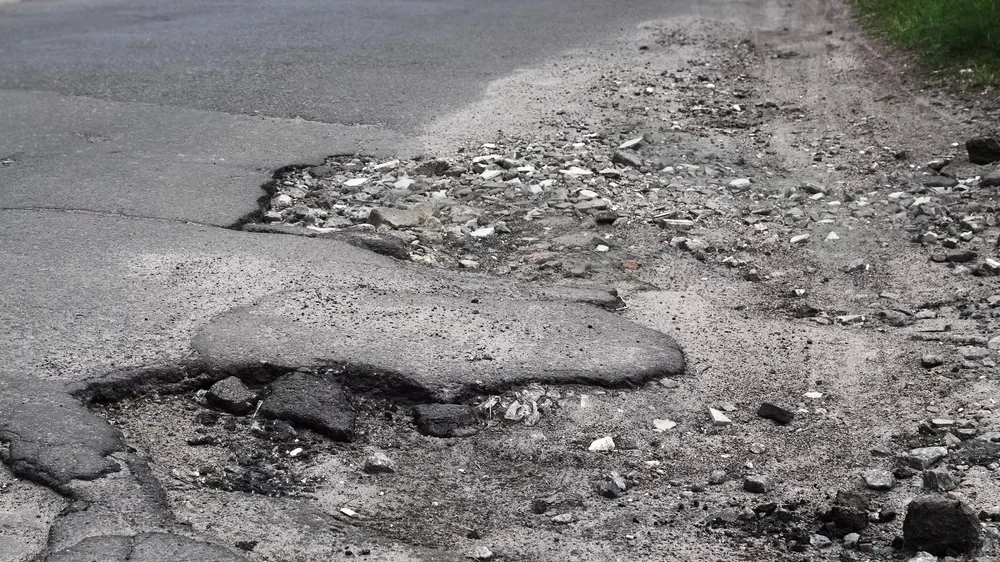
Overall, we analyze and evaluate typical pedestrian behavior and how we expect someone to interact with their world. We evaluate the visibility of premises under the specific illumination that was present during the incident, using the same calibrated luminance and contrast methods we apply to any nighttime visibility analysis. This allows us to determine if an area, such as a parking stop, pot hole, curb, or other object, is expected to be seen and detected. We also utilize methodologies to ensure we have captured and can display fair and accurate nighttime photographs and video of the area. We can measure and quantify the slip resistance of a surface and determine if a pedestrian is expected to slip or not based on published and peer-reviewed literature. We also analyze the effectiveness of warnings and other signage.
Scope
Gallery
Peer-reviewed research
Authored by our experts and peer-reviewed by external experts.
Vega, H., Suway, J.
SAE Technical Paper
Suway, J., Suway, S.
SAE Technical Paper
Dinakar, S., Suway, J., Muttart, J., et al.
SAE Technical Paper
Dinakar, S., Muttart, J., Suway, J., et al.
Proceedings of the Human Factors and Ergonomics Society
Cornetto, A., Suway, J.
SAE Technical Paper
Who does this work
PE, ACTAR
Accident reconstruction, human factors, and vehicle testing
4 publications
PE, ACTAR
Visibility and conspicuity, human factors, and accident reconstruction
27 publications
Send us the incident location, the date, and what is in dispute. We'll discuss what analysis is possible with the evidence that exists, and what it would take to get.