
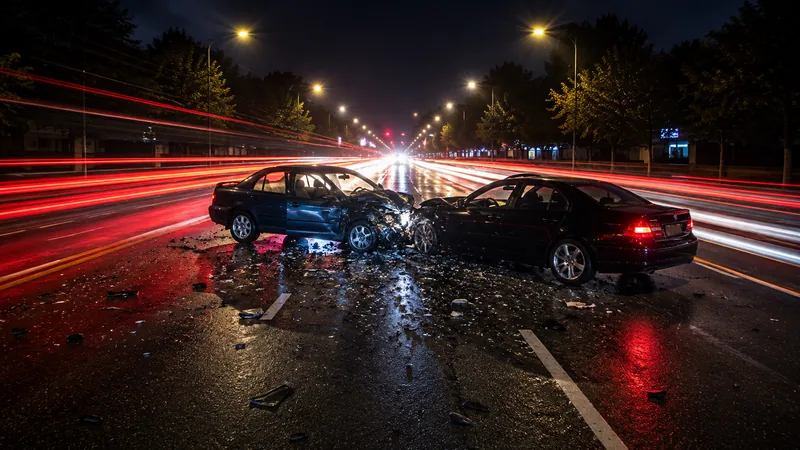
Accident reconstruction
Physical evidence, recorded data, and physics resolved into an account of the sequence of events.

Practice areas
In-house expertise in more than a dozen practice areas.
Determine the vehicles' behavior, how fast they were going, and how the driver responded.
Physical evidence, recorded data, and physics resolved into an account of the sequence of events.
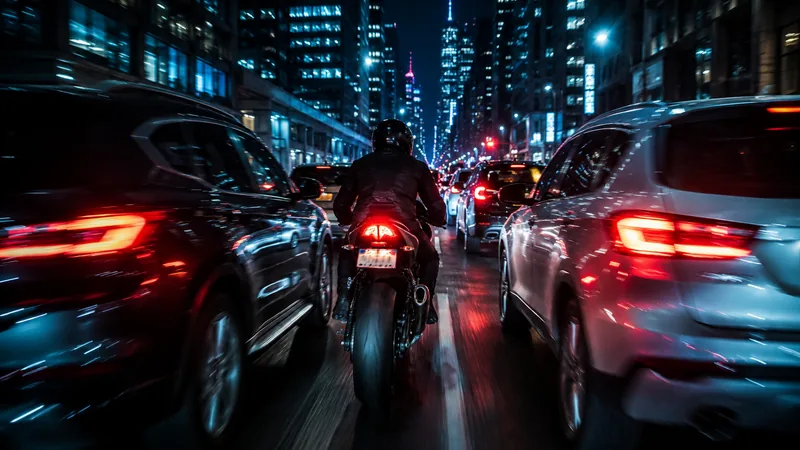
Speed, avoidability, and rider behavior analyzed by experts who race motorcycles themselves.
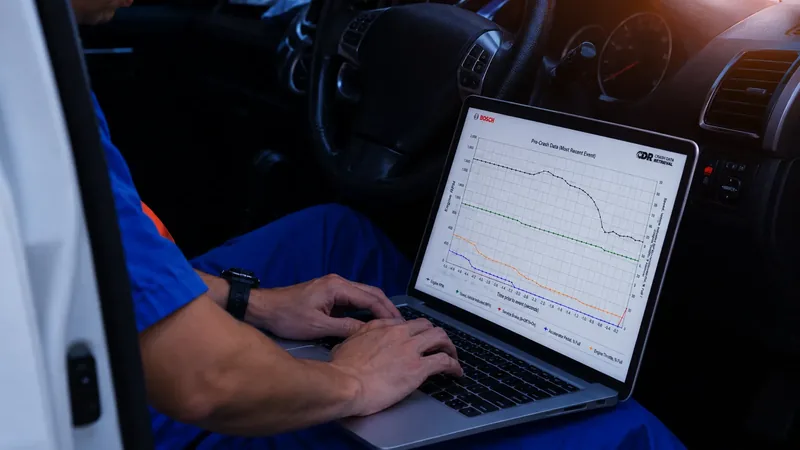
Imaging and interpretation of vehicle, motorcycle, infotainment, and telematics data.
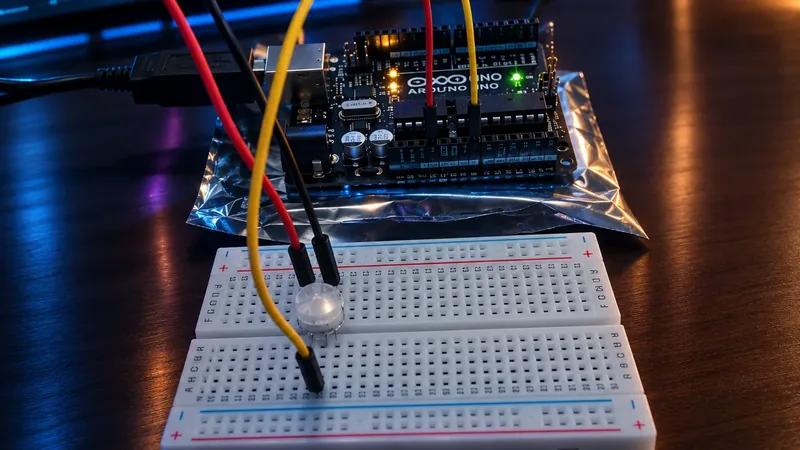
When your case involves a unique scenario, we design and validate the right tests for the case.
Evaluate what a person could see, how they responded, and potential avoidability of an incident.
Perception-response time, attention, expectancy, and what a person can reasonably be asked to detect.
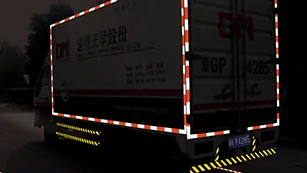
When an object became visible during an incident, determined with objective measurement and expert interpretation.
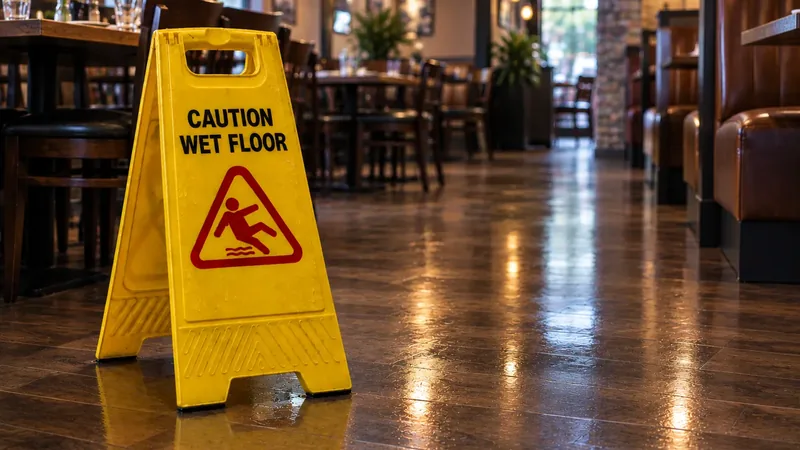
Slips, trips, and falls: surface traction, illumination, hazard conspicuity, warnings, and typical pedestrian behavior.
Evaluate injury tolerance, did the forces in an impact cause the injury and forces on an occupant.
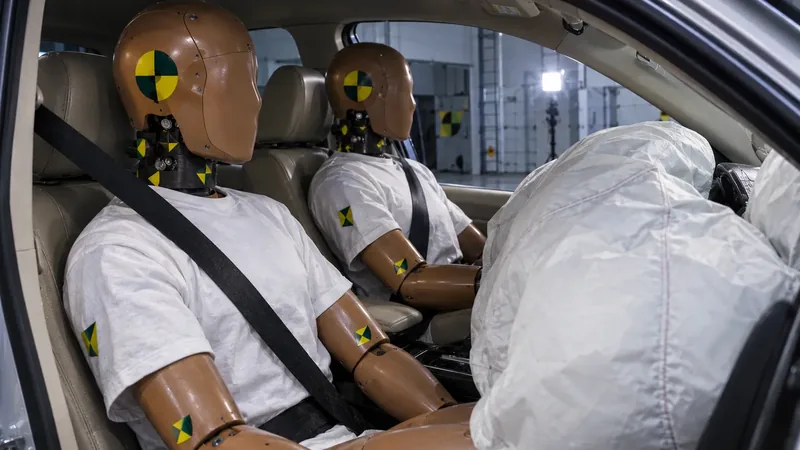
Whether the forces present in the incident were capable of producing the injuries claimed.
Determine speed of all manners of transportation modes, turn signal activation, brake pedal activation, bullet trajectory analysis, and more all from audio.
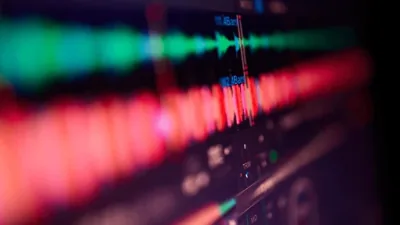
Vehicle speed and other event timing recovered from the soundtrack of a recording.
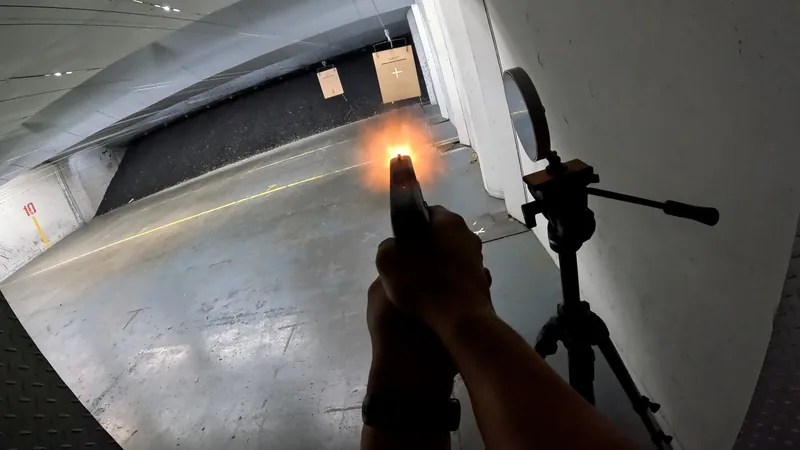
Shooter position and shot sequence from trajectory geometry and recorded audio.
Get measurable, defensible data from the scene, audio and video recordings, and vehicles.
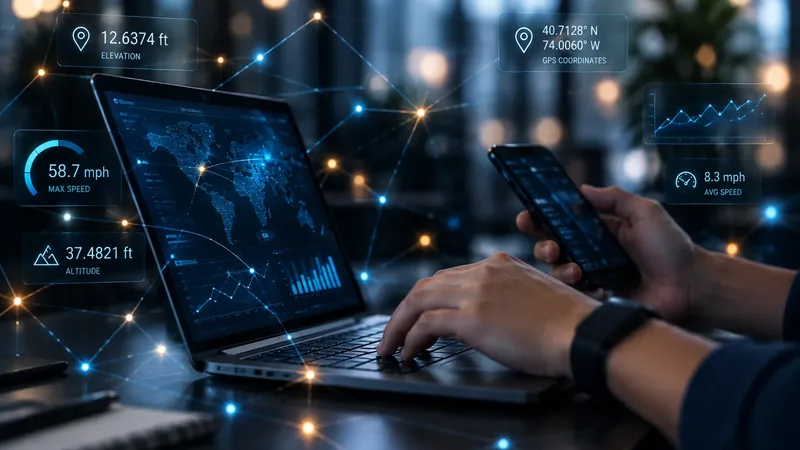
Position, speed, timing and dimensions extracted from surveillance, dash camera, and still imagery.
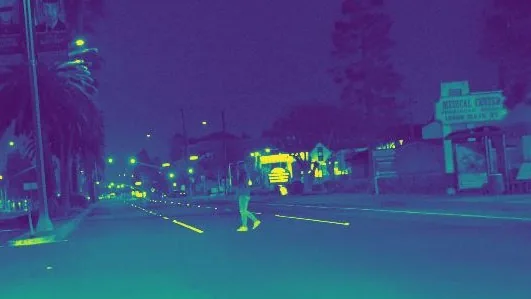
Night scene photographs and video calibrated to depict what a person would have perceived during an incident.
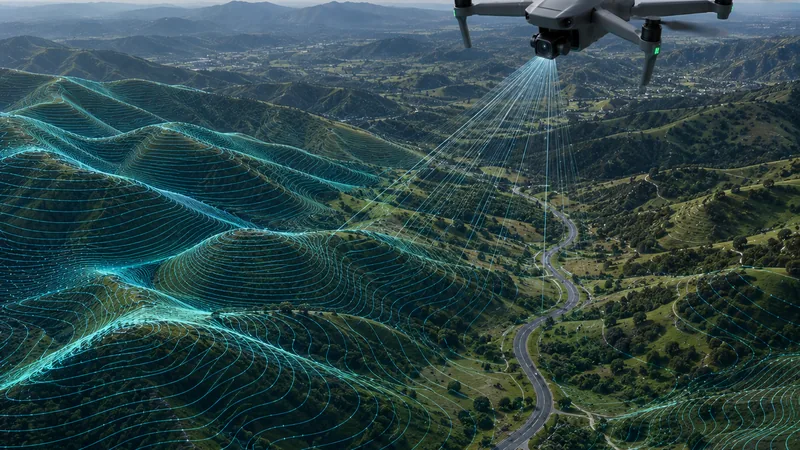
Laser scanning, drone photogrammetry, and precise documentation of scenes.
Send us the incident location, the date, and what is in dispute. We'll discuss what analysis is possible with the evidence that exists, and what it would take to get.